
Exploring Mobile Operating Systems: iOS, Android, and More

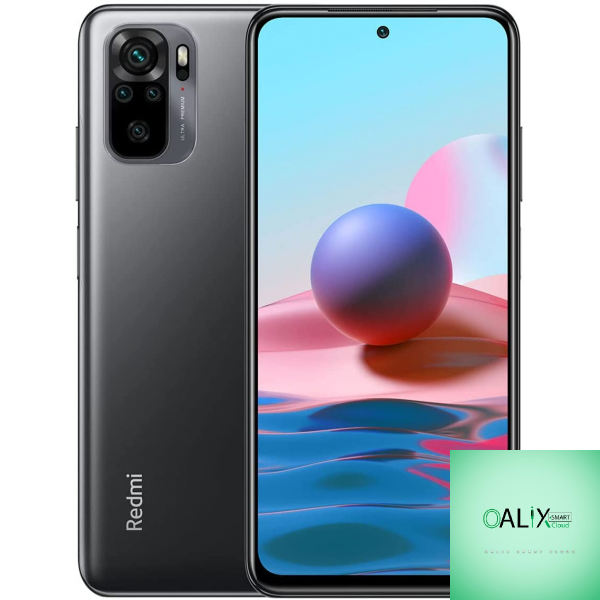
In the fast-paced world of smartphones, the heart of every device is its mobile operating system. These operating systems determine how we interact with our phones, the apps we use, and the overall user experience. In this article, we’ll take you on a journey through some of the most popular mobile operating systems, with a focus on iOS and Android, to help you understand the nuances of each.
iOS – Apple’s Ecosystem
Key Features:
- User-Friendly Interface: iOS is known for its intuitive and user-friendly interface, making it accessible to a wide range of users.
- Regular Updates: Apple consistently provides updates and security patches to its iOS, ensuring a stable and secure environment.
- App Store: The App Store offers a vast library of high-quality apps, both free and paid.
- Privacy and Security: Apple prioritizes user data privacy and offers features like Face ID and Touch ID for biometric authentication.
- Seamless Ecosystem: iOS seamlessly integrates with other Apple devices, creating a unified user experience.
iOS is the proprietary operating system developed by Apple for its range of iPhones and iPads. It’s known for its clean and minimalistic design, regular software updates, and a strong emphasis on user data privacy. The iOS ecosystem offers a seamless experience across Apple devices, from Mac to Apple Watch.
Android – Versatile and Customizable
Key Features:
- Open Source: Android is open source, allowing for customization by device manufacturers and developers.
- Diverse Hardware: You’ll find Android on a wide range of devices, from budget to flagship.
- Google Services: Android seamlessly integrates with Google services, such as Gmail, Google Drive, and Google Assistant.
- App Variety: The Google Play Store offers a vast selection of apps, with many customization options.
- Choice and Flexibility: Android users enjoy the flexibility to choose from various hardware designs and features.
Android, developed by the Open Handset Alliance, is an open-source operating system that powers devices from multiple manufacturers. Its open nature allows for extensive customization and adaptability, leading to a wide range of Android devices tailored to diverse user preferences.
Other Mobile Operating Systems
While iOS and Android dominate the smartphone market, several other mobile operating systems deserve recognition:
1. KaiOS: Known for its simplicity, KaiOS is designed for feature phones and focuses on essential functions like calls, messaging, and basic internet services.
2. HarmonyOS: Developed by Huawei, HarmonyOS aims to provide a consistent and unified experience across a variety of devices, including smartphones, tablets, and smart TVs.
3. Tizen: Samsung’s Tizen powers its smartwatches and some smart TVs, offering a unique interface and app ecosystem.
4. BlackBerry OS: Though now less prevalent, BlackBerry OS once set the standard for business-oriented smartphones with strong security features.
5. Sailfish OS: Sailfish OS is known for its gesture-based user interface and is used in devices like Jolla smartphones.
Conclusion
The choice of a mobile operating system ultimately depends on your preferences, device requirements, and ecosystem integration. iOS offers a seamless experience within the Apple ecosystem, while Android provides diversity, flexibility, and extensive customization options.
The other mobile operating systems mentioned cater to specific niches and device categories, providing unique experiences tailored to different user needs. When selecting your smartphone, consider the operating system that aligns with your preferences and priorities, as it plays a crucial role in your overall mobile experience.


